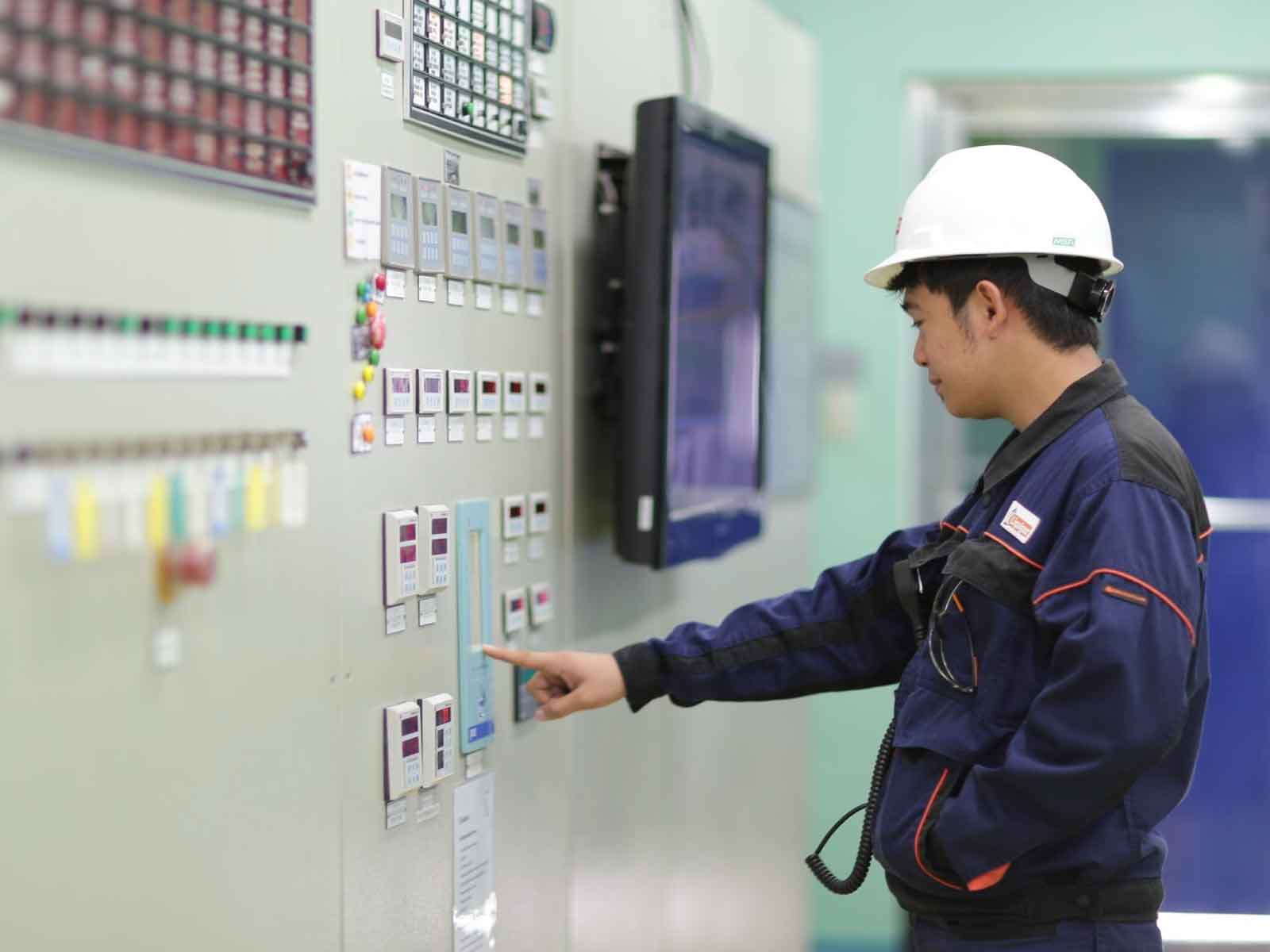
Liquigaz’ primary responsibility as it operates is to protect our personnel, property, the environment, and our customers. Every employee is bound by our OSHA policies and maintains the highest standards of safety and security. Our terminals are equipped with automated safety systems that monitor and operate all terminal processes from our control room at a safe distance away from our main operations area. Liquigaz continues to drive compliance with global standards in environmental protection.
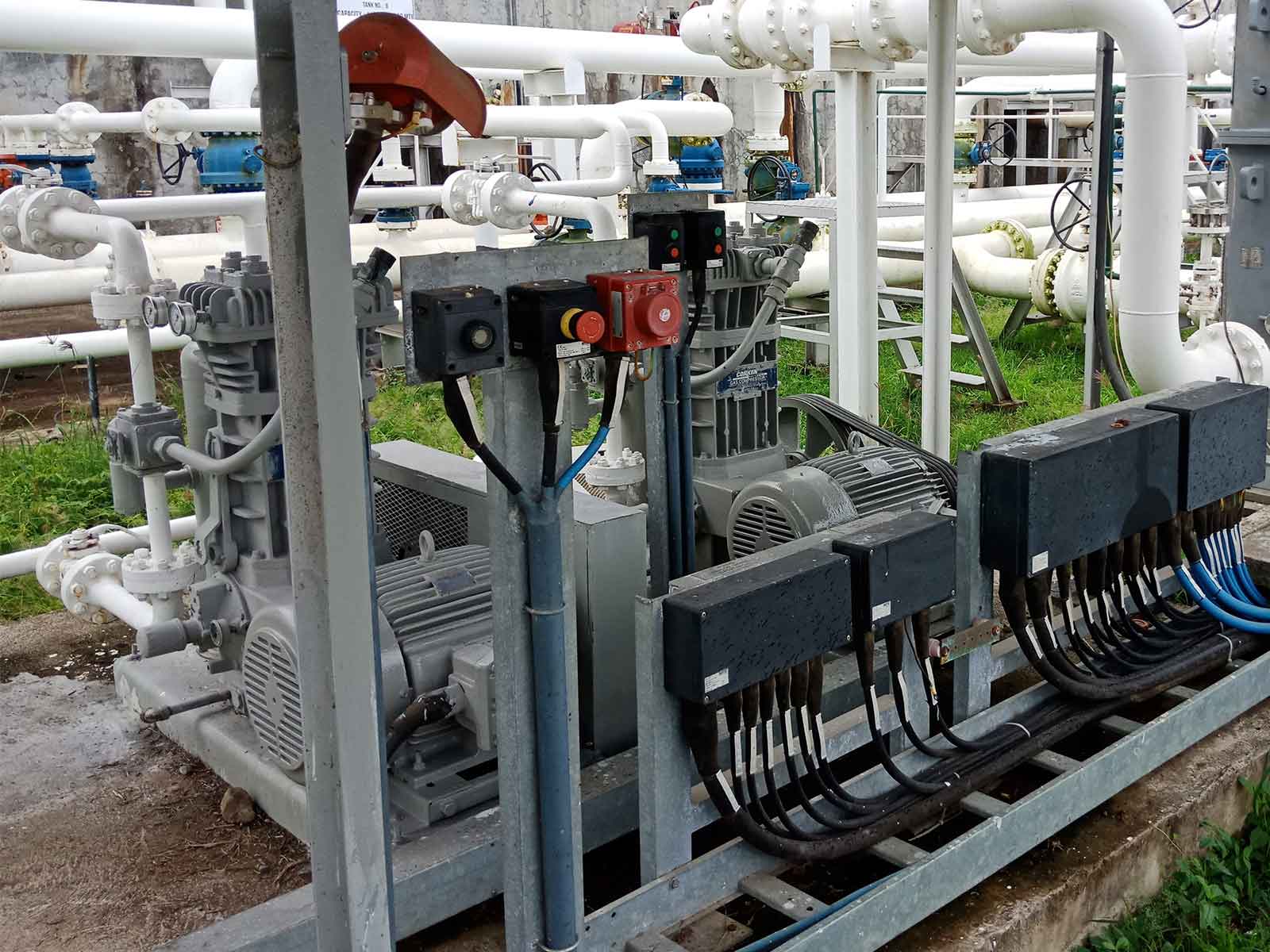
Liquigaz’ Safety Management framework manages business risks in line with established Philippine National Standards for LPG (PNS/DOE QS 005;2005) policies, systems, procedures and guidelines. This safeguards integrity of our facilities, operating systems and processes, and is vital to ensure that we deliver energy to our customers in a safe and sustainable manner.
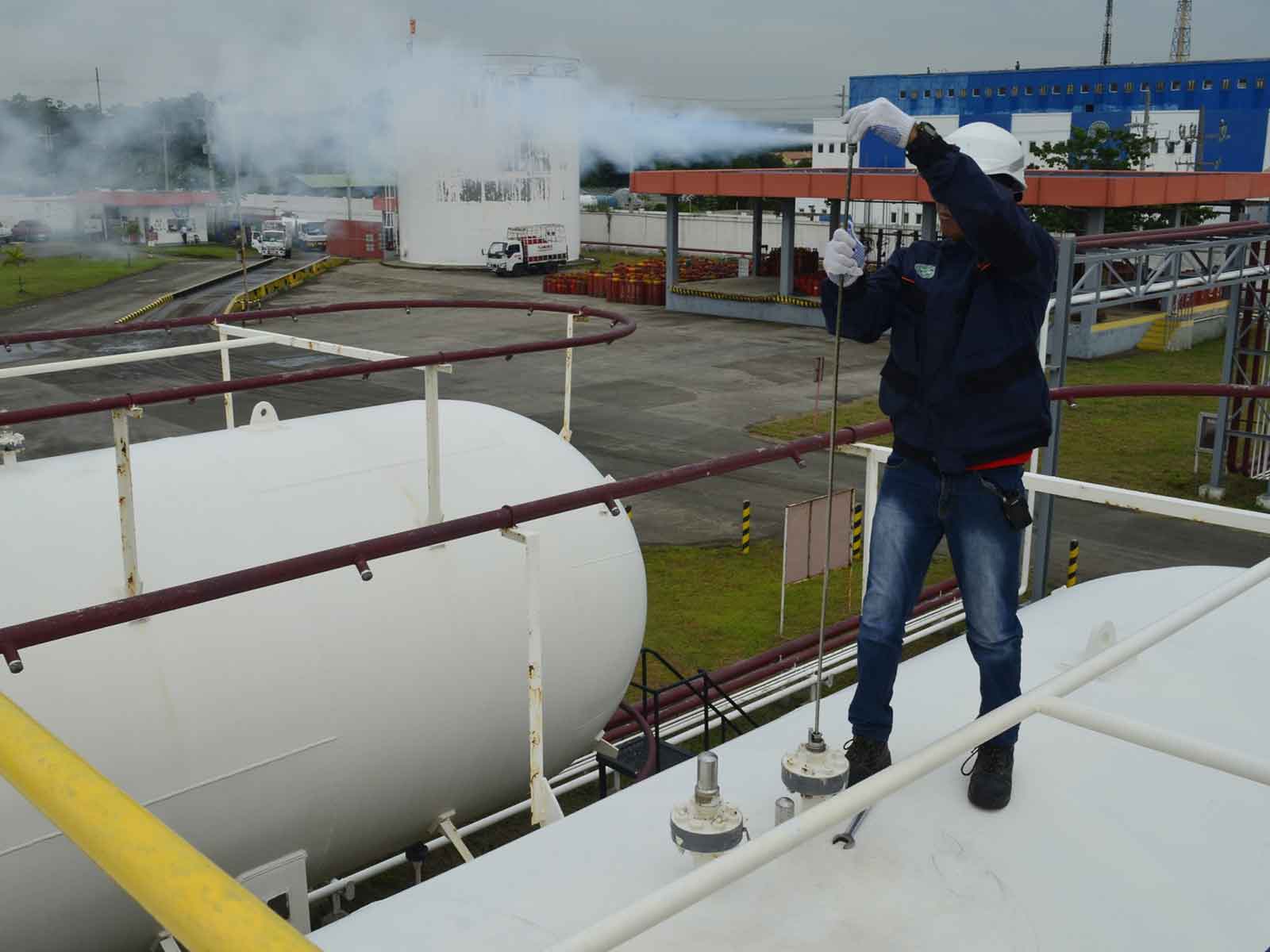
Liquigaz is committed to the quality of its products and services. We ensure that we exceed our customers’ expectations and provide consistently safe, and customer-focused services. Quality management is embedded in all of our business segments where we always strive to make continual improvement through internal and external audits.
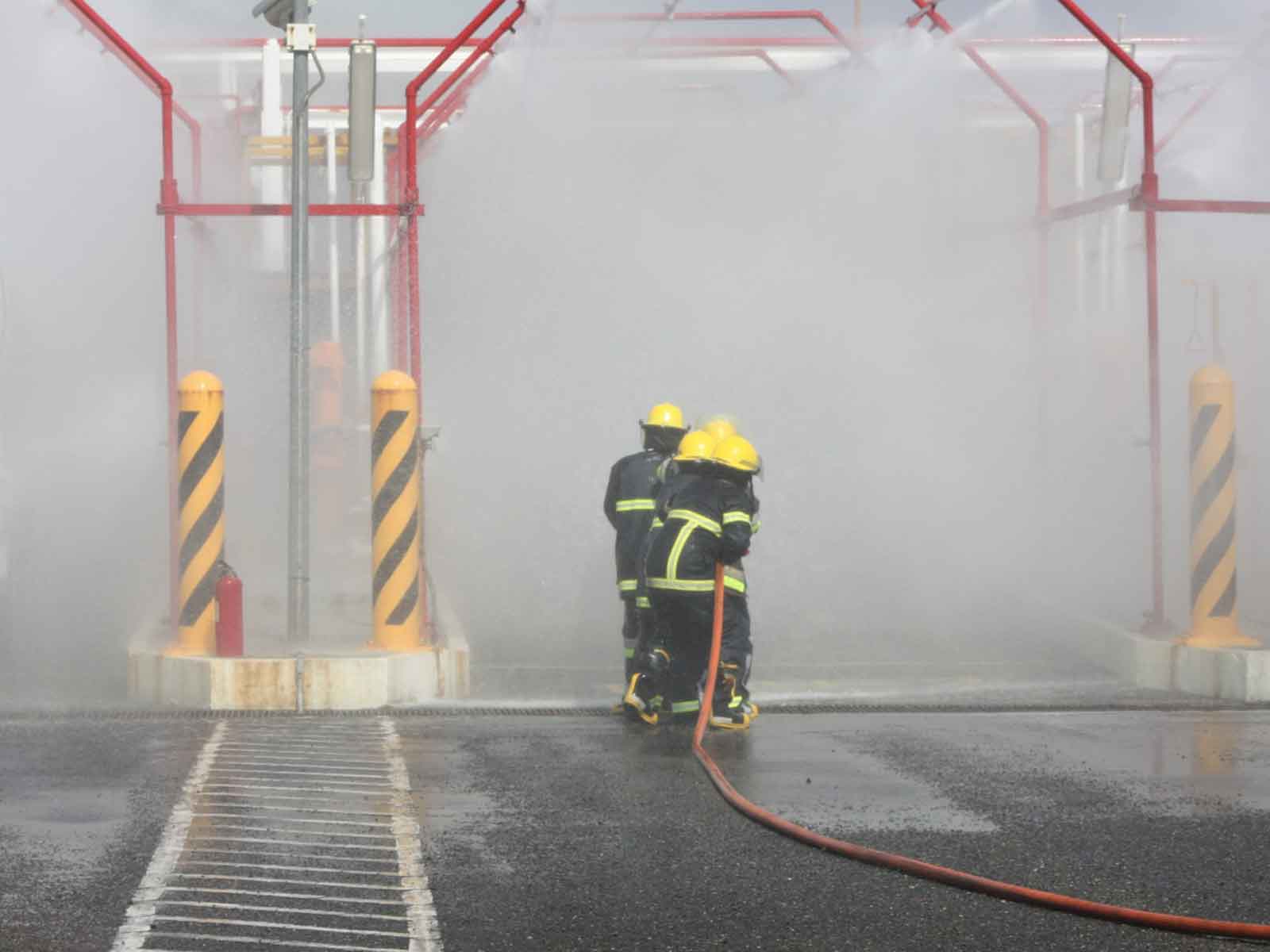
The Safety of our LPG installations is always a priority for Liquigaz, which has a full-time department that focuses on this aspect. The Technical and Safety Division Engineers are on-call 24/7 to handle our customers’ concerns regarding their LPG facilities and equipment.
Liquigaz follows NFPA 54, NFPA 58, and Fire Code of the Philippines for all LPG installation to ensure safety at the customers’ premises. To continue supporting our valuable customers, Liquigaz also conducts LPG Induction seminars to teach our customers about safety in handling LPG and emergency procedures.